Beyond the Goodie Bag: How Thoughtful Event Favors Create Lasting Connections in a Digital Age
For decades, the event favor has occupied an awkward space between genuine gesture and obligatory formality. Guests accept them politely, tuck them into a tote bag, and — more often than not — leave them behind entirely. Research consistently suggests that the majority of traditional event favors are discarded within a month of an occasion. For planners and hosts investing real resources into every detail of an event, that represents a significant missed opportunity.
The good news is that a new generation of event favors is rewriting that story. By bridging the physical and digital worlds, today's most effective takeaways don't simply commemorate a moment — they extend it, deepen it, and invite guests to return to it again and again.
At Tawa Event Company, we believe that a well-designed favor is not a parting gift. It is a continuation of the experience itself.
Why Most Favors Fail — and What That Reveals
Before reimagining the favor, it helps to understand why conventional options so frequently fall short. The problem is rarely budget. Organizations spend generously on branded keychains, monogrammed candles, and custom chocolates — items that are pleasant in the moment but carry no lasting relevance to the recipient's daily life.
The core issue is utility and emotional resonance. A favor earns its place in someone's home or routine only when it solves a problem, sparks a memory, or connects to something the guest already cares about. Generic items, regardless of how attractively packaged, rarely meet that standard.
The second challenge is that favors traditionally exist in isolation. Once a guest walks out the door, the connection between that small object and the broader event experience begins to fade. The most innovative planners today are solving both problems simultaneously — by designing favors that are genuinely useful and digitally alive.
The Power of the Physical-Digital Bridge
The integration of QR codes into event design has matured considerably since the technology's awkward early years. When implemented thoughtfully, a QR code embedded in a favor can transform an otherwise static object into a gateway to a rich, curated experience.
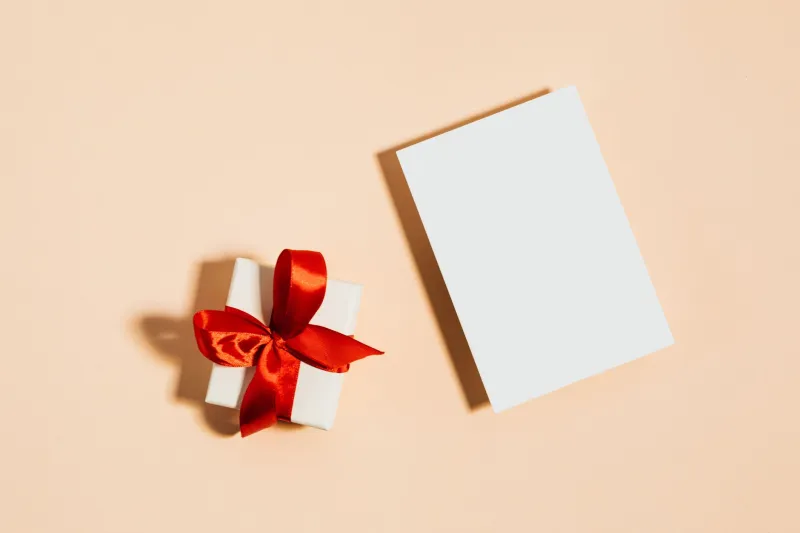
Consider a beautifully printed card — perhaps featuring a watercolor illustration of the event venue or a meaningful quote from the occasion — that carries a QR code linking to a private photo gallery. Guests who scan it don't simply see pictures they could have captured themselves. They access a professionally curated collection that captures the event from angles and moments they never witnessed personally. That gallery becomes a reason to return to the favor, and more importantly, a reason to share it.
The same principle applies to curated playlists. A corporate awards dinner, a milestone birthday celebration, or a wedding reception each has its own sonic identity — a carefully selected soundtrack that shaped the emotional arc of the evening. When guests can access that playlist through a favor, they carry the mood of the event into their commute, their workout, their quiet Sunday morning. The event doesn't end. It echoes.
Other digital extensions worth considering include:
- Personalized video messages from hosts or keynote speakers, accessible via a unique code printed on the favor
- Exclusive recipe cards linked from a branded food or beverage item guests receive
- Digital lookbooks or resource guides relevant to the event's theme, particularly effective for corporate gatherings and industry conferences
- Private event highlight reels edited and released in the days following the occasion, creating anticipation and extending the social conversation
Choosing Physical Components That Earn Their Place
The digital layer only succeeds when the physical object it accompanies is worth keeping. This is where many well-intentioned planners stumble — investing in the digital experience while cutting corners on the tangible item that carries it.
Sustainability has become a genuine priority for American consumers across age groups, and event favors are no exception. Guests are increasingly attuned to waste, and an item perceived as disposable can inadvertently signal carelessness rather than generosity. Favors crafted from recycled materials, living plants, seed paper, or locally sourced products communicate intentionality and align with values guests already hold.
Practical items continue to outperform decorative ones in long-term retention. A high-quality cotton tote, a well-designed notebook, a small-batch artisan product from a local American maker — these are objects that integrate naturally into daily life. Every time a guest reaches for that tote at the grocery store or opens that notebook at their desk, the event surfaces again, quietly and without effort.
Personalization remains one of the most powerful tools available. A favor tailored to the recipient — whether through a handwritten note, a name printed on the label, or an item selected to reflect a known preference — communicates that the host paid attention. In an era of mass production and algorithmic recommendation, that human attentiveness is genuinely rare and deeply felt.
Designing for Organic Social Sharing
One of the most underappreciated functions of a well-designed favor is its capacity to generate authentic social content. When guests share a favor because they genuinely find it beautiful, useful, or clever — not because they were prompted to — that content carries a credibility that no sponsored post can replicate.
The conditions for organic sharing are relatively straightforward: the favor must be visually distinctive, emotionally resonant, or surprising in some way. It should photograph well. It should tell a story that guests feel compelled to pass along.
Packaging plays a larger role here than many planners anticipate. An elegantly wrapped favor with considered typography and a cohesive color palette invites photography before it is even opened. Including a brief, well-written card that explains the favor's significance — why this item, why this moment — gives guests both context and language to share alongside their image.
For corporate events in particular, favors that reference a specific theme or campaign concept can extend a brand narrative well beyond the event itself. When a favor is clever enough to generate conversation among colleagues who didn't attend, it has accomplished something remarkable.
A Framework for Getting It Right
For planners approaching favor design with intention, a few guiding principles tend to produce consistently strong results:
Lead with the guest's life, not the host's brand. The most effective favors serve the recipient first. Brand presence should be present but subtle — a watermark, not a billboard.
Connect the favor to a specific memory. A favor that references a moment from the event itself — a speech, a song, a shared experience — carries emotional weight that generic items cannot replicate.
Test the digital experience rigorously. A QR code that leads to a broken link or a playlist that hasn't been updated is worse than no digital component at all. Every element should be tested across multiple devices before the event.
Budget proportionally. A smaller quantity of genuinely meaningful favors will always outperform a larger quantity of forgettable ones. When resources are limited, quality and personalization should take priority over volume.
The Lasting Impression
At its best, an event favor is not a souvenir. It is an invitation — to return to a memory, to continue a conversation, to feel again what was felt in that room on that particular evening. When designed with genuine care and strategic intelligence, a favor extends the emotional life of an event in ways that no photograph or recap can fully replicate.
The guests who carry your favor home are carrying a piece of the experience with them. The question worth asking is not what to put in the bag — but what story you want that object to continue telling long after the lights have come down.