Spending Big, Remembering Little: What Guests Actually Take Home From Your Event
There is a persistent myth at the heart of event planning, one that costs clients enormous sums of money every single year. It goes something like this: the more visibly expensive an element appears, the more your guests will value the experience. Grand floral installations, premium open bars stocked with top-shelf spirits, elaborate centerpieces that rival small sculptures — these are the line items that dominate budgets and impress clients during the planning phase. Yet when guests are asked, weeks or months later, what they actually remember about an event, the answers are almost never about the flowers.
At Tawa Event Company, we have spent years observing the gap between what event hosts believe will move their guests and what actually does. The findings are, to put it plainly, humbling for the industry.
The Forgetting Curve of Event Luxury
Cognitive science has long established that human memory is selective by necessity. The brain does not archive every sensory input from a given experience; it stores emotional peaks and the way an experience concluded — a phenomenon psychologists refer to as the peak-end rule. What this means for event planners is profound: guests do not remember the totality of what they witnessed. They remember how they felt at the moments of greatest intensity and how they felt when they left.
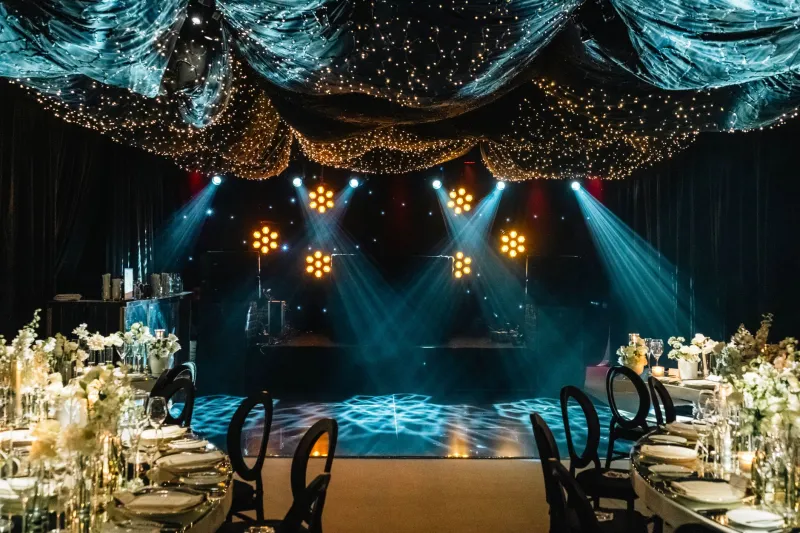
Consider a corporate gala that invested $18,000 in a custom lighting installation from a nationally recognized design firm. The setup was genuinely breathtaking upon arrival. Photographs circulated on social media for approximately 48 hours. When the company surveyed attendees six weeks later, fewer than 12 percent mentioned the lighting unprompted. What dominated the responses? A personalized note from the CEO that had been placed on each seat, and a 20-minute segment in which employees were publicly recognized by name for specific contributions during the year. The combined cost of those two elements: under $1,400.
Where the Budget Actually Goes — and Where It Should
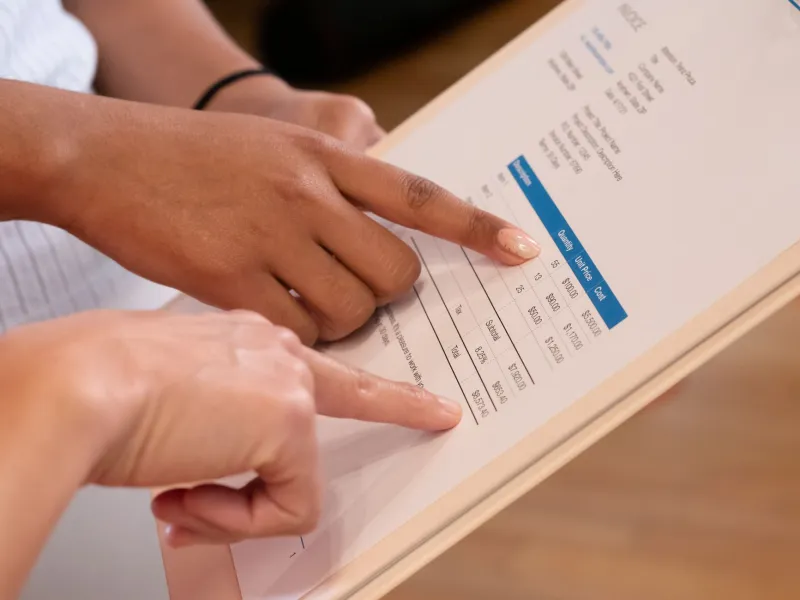
The average mid-scale corporate event in the United States allocates roughly 30 to 40 percent of its total budget to venue and décor. Catering typically consumes another 25 to 35 percent. What remains — the budget available for programming, personalization, and the orchestration of genuine human connection — often amounts to less than 15 percent of total spend.
This inversion is precisely the problem.
Venues and catering are, of course, foundational. No one is suggesting that guests be seated in folding chairs beneath fluorescent lighting and served lukewarm buffet fare. There is a baseline of physical comfort and aesthetic quality that must be met for guests to feel respected. But there is a significant and costly difference between meeting that baseline and dramatically exceeding it.
The marginal return on venue and décor spending drops sharply once a reasonable threshold of quality is achieved. Moving from a $6,000 floral budget to a $14,000 floral budget does not produce a proportional increase in guest satisfaction or memory formation. What does produce that increase, consistently and measurably, is investment in what we at Tawa Event Company call the architecture of personal relevance.
The Architecture of Personal Relevance
Personal relevance is the degree to which an event experience makes an individual guest feel seen, known, and valued. It is not scalable in the way that floral arrangements are scalable. It requires intention, research, and creative problem-solving. And it is, without question, the single greatest driver of lasting emotional memory in event contexts.
At a wedding we managed in Austin, Texas, the couple chose to redirect $4,000 originally allocated to upgraded chair linens and an additional dessert station. Instead, they commissioned a local artist to create a small, hand-drawn illustration for every table — each depicting a shared memory between the couple and the guests seated there. The illustrations took approximately three minutes to explain at each table. They became the most discussed element of the evening and remain, by the couple's account, the most frequently referenced detail in conversations with their guests more than two years later.
The cost per table: approximately $65.
The Vanity Spending Trap
It is worth naming the psychological mechanism that drives overinvestment in visible luxury. Event hosts — whether corporate clients planning an annual conference or couples planning a wedding — are often more concerned with how the event will appear to others than with how it will actually feel to be present within it. This is understandable. Events are social performances as much as they are shared experiences. Photographs will be taken. Comparisons will be made.
But the audience for those photographs is largely composed of people who were not at the event. The guests who were present will form their memories based on entirely different criteria.
This is the guest experience paradox in its clearest form: the elements most likely to impress people who were not there are frequently the elements least likely to create lasting meaning for people who were.
Modest Investments With Outsized Returns
Based on our experience across hundreds of events, the following categories of investment consistently outperform their cost in terms of guest memory and satisfaction:
Personalized touchpoints — name-specific details, curated table gifts, or handwritten correspondence that references something specific about the recipient. The specificity is the point. Generic luxury does not register as personal.
Transition management — the moments between formal program segments are where events quietly lose their guests. Investing in skilled emcees, thoughtful musical transitions, or brief, well-crafted video content during these intervals sustains emotional engagement at a fraction of the cost of physical décor upgrades.
Staff warmth and training — guests remember how they were treated by the people working an event far more reliably than they remember the color palette of the tablecloths. A service team that is genuinely warm, attentive, and empowered to solve small problems in real time creates a felt experience of hospitality that no centerpiece can replicate.
The exit experience — consistent with the peak-end rule, the final impression an event leaves is disproportionately powerful. A thoughtfully designed departure — whether through a memorable parting gift, a final program moment of genuine emotional resonance, or simply a warm and organized farewell — shapes how guests narrate the entire evening to themselves and others.
Rethinking the Planning Conversation
The most valuable service an event planning company can provide is not the sourcing of beautiful things. It is the honest, sometimes uncomfortable conversation about where a client's budget will actually produce a return on the investment they care most about: the lasting impression left on every person who walked through the door.
At Tawa Event Company, we believe that creating moments that last a lifetime requires a willingness to look past the obvious and ask harder questions. Which of these line items will your guests mention at dinner a year from now? Which will they have forgotten by the time they hail a cab home?
The answers, more often than not, will redirect your budget toward the human and away from the merely expensive. And the events that result from that redirection are, without exception, the ones that people cannot stop talking about.