Heard but Not Seen: How Deliberate Sound Design Elevates Every Event from Ordinary to Unforgettable
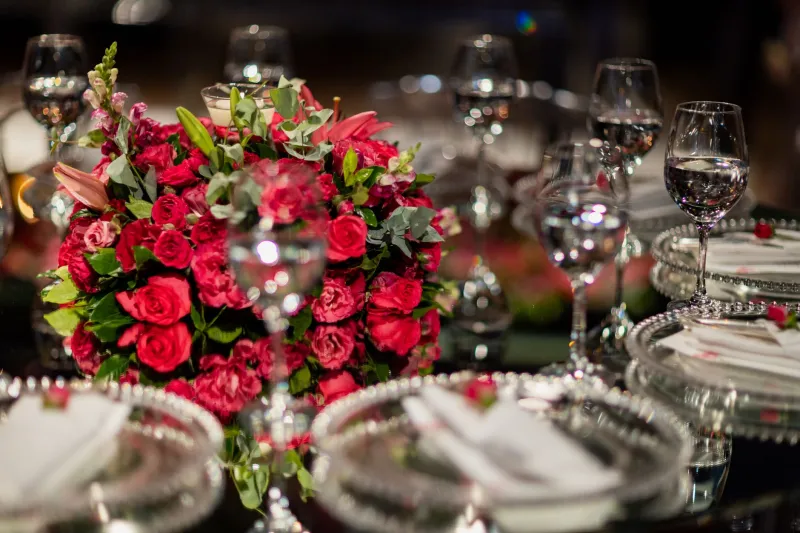
Picture two events held in the same ballroom, decorated with identical florals, served by the same catering team. One feels electric—guests linger, conversations flow, and the evening builds to a natural, memorable crescendo. The other feels flat, forgettable, and somehow off. In most cases, the difference is not visible. It is audible.
Sound is the invisible architecture of any gathering. It operates beneath conscious awareness, shaping mood, pacing social interaction, and even influencing how guests perceive the quality of food and service. Yet for many event planners, audio remains an afterthought—a playlist shuffled on a laptop or a DJ hired in the final weeks of preparation. At Tawa Event Company, we have come to regard deliberate sound design as one of the highest-leverage investments a client can make, regardless of event type or budget.
The Science Behind What We Hear
Researchers at institutions including Cornell University and the University of Leicester have documented the profound relationship between sonic environments and human behavior. Studies consistently show that tempo directly influences the pace at which guests move, eat, and converse. Slower music encourages lingering at the dinner table; faster tempos accelerate movement through a cocktail reception. Music played in a major key tends to evoke optimism and social openness, while minor-key compositions can create a sense of intimacy or solemnity—both of which have their place depending on the event's intent.
Perhaps more striking is research demonstrating that ambient noise levels affect taste perception. A 2010 study published in Food Quality and Preference found that louder environments dulled guests' ability to detect sweetness and saltiness, while softer, well-curated soundscapes enhanced flavor appreciation. For corporate dinners where culinary experience is part of the brand statement, or for wedding receptions where a chef's tasting menu is central to the celebration, this is not trivial information.
Designing Sound for Corporate Events
Corporate gatherings carry specific sonic demands that differ meaningfully from social celebrations. A product launch, for example, requires a sound environment that builds anticipation without overwhelming pre-event networking. The arrival sequence might feature low-tempo, melodically simple ambient tracks—music that is present enough to prevent awkward silence but unobtrusive enough to allow genuine conversation.
As the program transitions to the main presentation or keynote, acoustic clarity becomes paramount. Speaker intelligibility—the degree to which spoken words are comprehensible in a given space—is determined not only by microphone quality but by room acoustics, speaker array placement, and the management of reflective surfaces. Bare concrete walls, uncarpeted floors, and vaulted ceilings can generate reverberation times that render even the most compelling speaker difficult to follow. Strategic use of acoustic panels, soft furnishings, and directional speaker systems can dramatically improve intelligibility without altering the visual design of the space.
Post-keynote, during awards ceremonies or networking receptions, sound design shifts again. Music re-enters, energy rises, and the sonic environment must support both celebratory moments and continued conversation. Working with an experienced audio director—not simply a DJ—makes this kind of intentional, scene-by-scene curation possible.
The Wedding Soundscape: More Than a Playlist
For couples planning their wedding, sound design conversations often begin and end with the question of band versus DJ. While that choice matters, it represents only a fraction of the acoustic decisions that will shape their day.
Consider the ceremony itself. The processional music sets the emotional register for everything that follows. A live string quartet performing a classical arrangement communicates something fundamentally different from a solo acoustic guitarist playing a contemporary love song—even if the underlying melody is the same. The choice should reflect not just personal taste but the architectural character of the venue and the emotional intention of the moment.
Cocktail hour presents a distinct challenge: guests are transitioning from the ceremony's emotional peak toward the reception's social energy. The sound environment must honor that shift. Overly high-energy music during this window can feel jarring; music that is too subdued may allow the emotional momentum of the ceremony to dissipate entirely. A curated set of jazz standards, bossa nova, or acoustic pop performed at a measured volume typically serves this transitional period well.
Reception sound design, meanwhile, requires careful attention to room acoustics, dance floor placement, and the management of volume levels across different zones. Guests seated at tables near the speakers for extended periods may leave with ringing ears rather than warm memories—a detail that reflects poorly on the entire event experience.
Practical Steps Toward Better Audio
For event planners seeking to elevate their approach to sound, several practical measures yield significant returns.
Conduct an acoustic site visit. Before finalizing any audio plan, walk the venue at the time of day your event will occur. Listen to ambient noise from HVAC systems, nearby streets, and adjacent event spaces. These environmental factors will influence speaker placement and volume requirements.
Build a sound timeline. Just as you would create a lighting cue sheet or a catering run-of-show, develop a document that maps specific audio selections or genres to each phase of the event. Share this with your audio team well in advance.
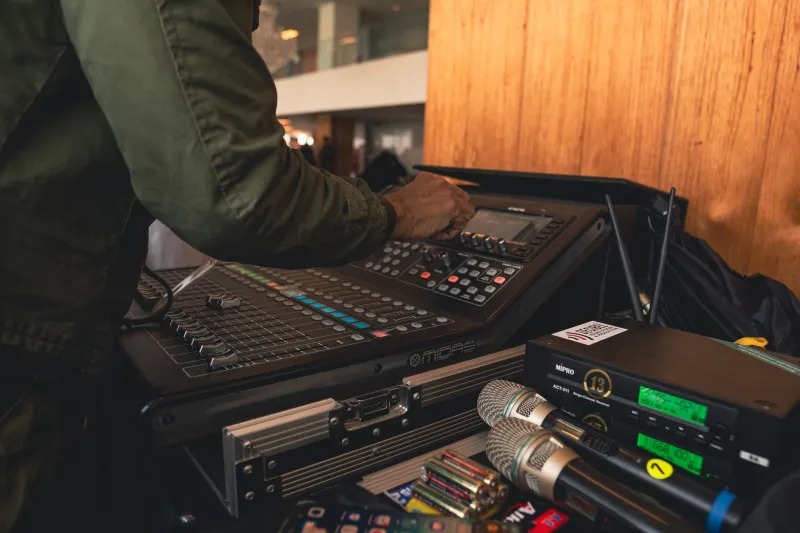
Invest in the right personnel. A skilled audio director or sound designer brings expertise that extends beyond music taste. They understand signal flow, room acoustics, and live sound reinforcement—disciplines that are distinct from those of a DJ or musician, though those professionals can certainly complement one another.
Consider silence as a tool. Not every moment requires a sonic backdrop. Brief, intentional pauses in music—during a toast, at the conclusion of a ceremony, or immediately before a major announcement—can create powerful emotional contrast that amplifies the significance of what follows.
Communicate with your venue's technical staff. Many hotels and event venues have in-house audio systems with specific configurations and limitations. Understanding these constraints early allows your team to plan around them rather than troubleshoot them the evening of the event.
The Lasting Impression
Guests rarely walk away from an event saying, "The sound design was extraordinary." What they say, instead, is that the evening felt alive, that they did not want to leave, that something about the experience was difficult to articulate but deeply felt. In most instances, audio is doing a significant portion of that emotional work.
At Tawa Event Company, we believe that every element of a well-executed event should serve the larger story the client is trying to tell. Sound is not merely the background to that story—it is, in many ways, the emotional current running through it. When designed with the same intentionality applied to florals, lighting, and menu development, the acoustic environment becomes one of the most enduring gifts a planner can offer their guests: a feeling they carry with them long after the evening ends.