10 Smart Wedding Budget Decisions That Create a Luxury Experience Without the Luxury Expense
Every couple planning a wedding eventually encounters the same unsettling realization: the gap between the celebration they envision and the budget they actually have is wider than they anticipated. The average American wedding now costs approximately $30,000, according to recent industry surveys—a figure that sounds substantial until you begin pricing venues, catering, florals, and photography.
But here is what experienced wedding planners know that many couples do not: the weddings that guests describe as "stunning" or "the most beautiful I've ever attended" are not always the most expensive ones. They are the most strategically designed ones. The difference between a wedding that looks lavish and one that merely costs lavishly often comes down to a handful of pivotal decisions.
At Tawa Event Company, we have helped hundreds of couples across the country create celebrations that exceeded their guests' expectations without exceeding their budgets. The following ten decisions represent the most impactful choices you can make—and the framework for making them wisely.
1. Invest Seriously in Photography
If there is one category where budget compromise will be felt most acutely—not on the day itself, but for the decades that follow—it is photography. Your flowers will fade. Your cake will be eaten. Your dress will be stored. But your photographs will be shared, displayed, and revisited for the rest of your life.
Allocating fifteen to twenty percent of your total wedding budget to an experienced, stylistically aligned photographer is one of the wisest investments a couple can make. A skilled photographer also makes every other element of your wedding look more beautiful than it actually was—which means your budget decisions elsewhere feel less consequential.
2. Choose One Floral Focal Point and Commit to It
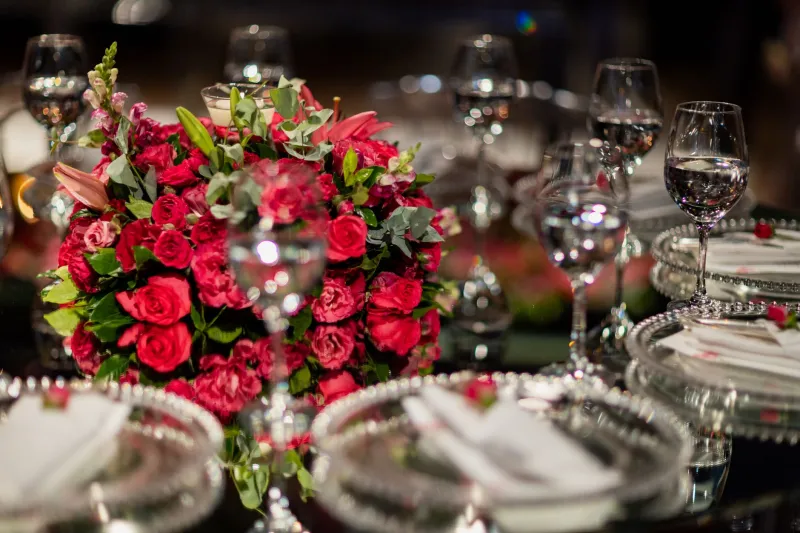
Full floral installations are breathtaking—and breathtakingly expensive. Rather than distributing a modest floral budget thinly across every table and surface, identify one statement piece and invest in it fully. A dramatic ceremony arch, a lush head table arrangement, or an abundant floral installation at the entrance can create the impression of a lavishly decorated space even when the surrounding décor is minimal.
Guests photograph focal points. They remember focal points. Twelve modest centerpieces rarely appear in anyone's wedding album; one extraordinary installation appears in everyone's.
3. Prioritize Live Music for Ceremony; Be Strategic About Reception Entertainment
Live music during a wedding ceremony creates an emotional atmosphere that recorded audio simply cannot replicate. The sound of a string quartet or a solo vocalist performing as guests are seated, as the wedding party processes, and as the couple shares their first moments as spouses is among the most powerful experiential investments a couple can make.
For the reception, however, a skilled DJ can deliver an equally celebratory experience at a fraction of the cost of a live band. Guests dance regardless of whether the music is performed or played—what matters is the quality of the curation and the energy of the person managing it.
4. Select a Venue That Does the Visual Work for You
A plain venue requires decoration to become beautiful. A venue with inherent architectural character, natural surroundings, or distinctive design features requires significantly less. A vineyard in Napa, a historic estate in Virginia, a rooftop space in downtown Nashville, or a botanical garden in the Pacific Northwest brings its own visual richness to the occasion.
When evaluating venues, consider how much decoration you would need to add to achieve the aesthetic you want. A venue that costs slightly more but requires minimal additional décor may represent a better overall value than a less expensive blank-slate space that demands substantial investment to transform.
5. Serve a Smaller Cake and Supplement with Sheet Cake
The elaborate tiered wedding cake that appears in photographs need not be the same cake that feeds two hundred guests. A beautifully designed display cake—two or three tiers, flawlessly decorated—creates the visual moment couples desire. Additional sheet cake, served from the kitchen and invisible to guests, provides the necessary quantity at a fraction of the per-serving cost.
This approach is standard practice among professional caterers and is entirely undetectable to guests. The cake you cut together is the cake that matters.
6. Simplify the Invitation Suite—Maximize the First Impression
Wedding stationery has a peculiar relationship with budget: couples often spend significantly on elaborate invitation suites that guests open, read briefly, and set aside. The invitation communicates tone and sets expectations, but its physical complexity is rarely what guests remember.
Instead of investing in multi-piece invitation suites with elaborate enclosures, allocate that budget toward the guest experience itself. A single, beautifully printed invitation on high-quality card stock makes a stronger impression than a complicated suite on lesser paper.
7. Trim the Guest List Before Trimming Anything Else
Per-head catering costs are among the largest line items in any wedding budget, and they scale directly with guest count. Every additional guest requires not only a seat at the dinner table but also a ceremony program, a place setting, a centerpiece share, a slice of cake, and a favor—if favors are offered.
Reducing the guest list by twenty people can free up several thousand dollars that can be redirected toward higher-impact investments. This is, admittedly, one of the most emotionally difficult budget decisions couples face—but it is also one of the most financially consequential.
8. Choose In-Season, Local Florals
The floral industry's pricing structure is straightforward: flowers that are in season locally cost considerably less than those that must be imported or grown out of season. A spring wedding in Georgia centered around peonies, ranunculus, and garden roses will achieve a lush, romantic aesthetic at a fraction of the cost of the same look constructed from imported blooms in November.
Work with your florist to identify what will be at its peak—and its most affordable—during your wedding month. The result is often more beautiful than a seasonally incongruent arrangement, and invariably more cost-effective.
9. Skip the Favors; Invest in the Send-Off
Wedding favors are among the most frequently cited items that guests either forget to take or leave behind entirely. The budget allocated to favors—which can range from several hundred to several thousand dollars depending on guest count—delivers a relatively low return on experiential investment.
Redirect that budget toward a memorable send-off moment: a sparkler exit, a flower petal toss, a confetti cannon, or a late-night food station that gives guests a final, joyful memory of the evening. These moments are photographed, shared, and remembered in ways that a small candle or monogrammed item simply is not.
10. Hire a Professional Planner—Even Just for the Day
This recommendation may seem counterintuitive in an article about budget management, but it is perhaps the most financially sound decision on this list. A professional wedding planner—even one engaged solely for day-of coordination rather than full planning services—protects your investment in every other category.
An experienced planner prevents costly vendor mistakes, manages the timeline that keeps your event on track, and troubleshoots problems before they reach you. Couples who plan their own weddings without professional support frequently encounter expenses they did not anticipate—overtime fees, vendor miscommunications, last-minute rentals—that far exceed what a coordinator would have cost.
The Strategic Mindset
The common thread connecting all ten of these decisions is intentionality. Budget-conscious weddings that feel luxurious are not the product of across-the-board cost-cutting; they are the result of deliberate choices about where investment creates disproportionate impact and where it does not.
At Tawa Event Company, we work with couples at every budget level to design celebrations that reflect their vision without compromising their financial future. The most beautiful weddings we have had the privilege of planning were not the most expensive ones—they were the ones where every decision was made with purpose.
Your celebration deserves both.